University of Southern California

USC: From Interaction Design to Games and Immersive Media
In 2022, I joined the Interactive Media & Games program at the USC School of Cinematic Arts, where I explored interaction design, game design, and immersive media. My practice expanded from screen-based interfaces into spatial interaction, game systems, and emerging media, and I began asking how design changes when interaction moves from a flat screen into 3D space.
NeonCity VR: Redesigning "City Building" in Virtual Space
At USC, I joined the advanced game project NeonCity VR as Lead Interaction Designer, focusing on VR interfaces, spatial interaction, and hand gestures.
NeonCity VR is an immersive city-building game about future planning and open-ended creation. Players use natural hand gestures to grab, move, and combine building modules, gradually building their own city.
Unlike traditional city simulations, NeonCity brings city building into 3D space. Players can plan from a miniature view, then switch to 1:1 scale and walk through the neighborhoods they built, using resident and environmental feedback to understand the impact of their decisions.
I focused on gesture interaction, spatial UI, city-building flow, and transitions between spatial scales, turning complex simulation controls into a more natural VR experience: creating a city with both hands.
The project ran for nearly two years. We also invited Rockstar Games designers to join playtests and give professional feedback. The NeonCity VR Demo was later released on Meta.
ARtistic Tales: Making AR Part of Children's Reading
Beyond VR game design, I joined an AR research course supported by TikTok Effect House and Snap AR, and led the design and development of ARtistic Tales.
ARtistic Tales is an AR reading product for children aged 6-10, with special attention to children with dyslexia. Through AR and multisensory interaction, it lowers the barrier to reading comprehension and participation.
The project combines physical picture books with AR scenes, allowing characters and story environments to appear in the real world as 3D animations. Children can read while seeing the story around them, with accessible options such as synced text and narration, font-size and reading-speed controls, and a full audio mode.
Beyond reading, we added mini-games for comprehension, spelling, and drag-and-match tasks. With badges, streaks, and unlockable content, the project created a learning loop:
Immersive reading -> interactive practice -> instant feedback -> growth incentives
I wanted to explore more than whether AR could make reading fun. I wanted to use a new medium to help children with different reading abilities enter stories, understand content, and build confidence.
ARtistic Tales later won a MUSE Design Award. The related research paper was accepted by ICHEC 2025 and included in the ACM Digital Library. Read the ARtistic Tales paper and full project introduction.
World in a Cell
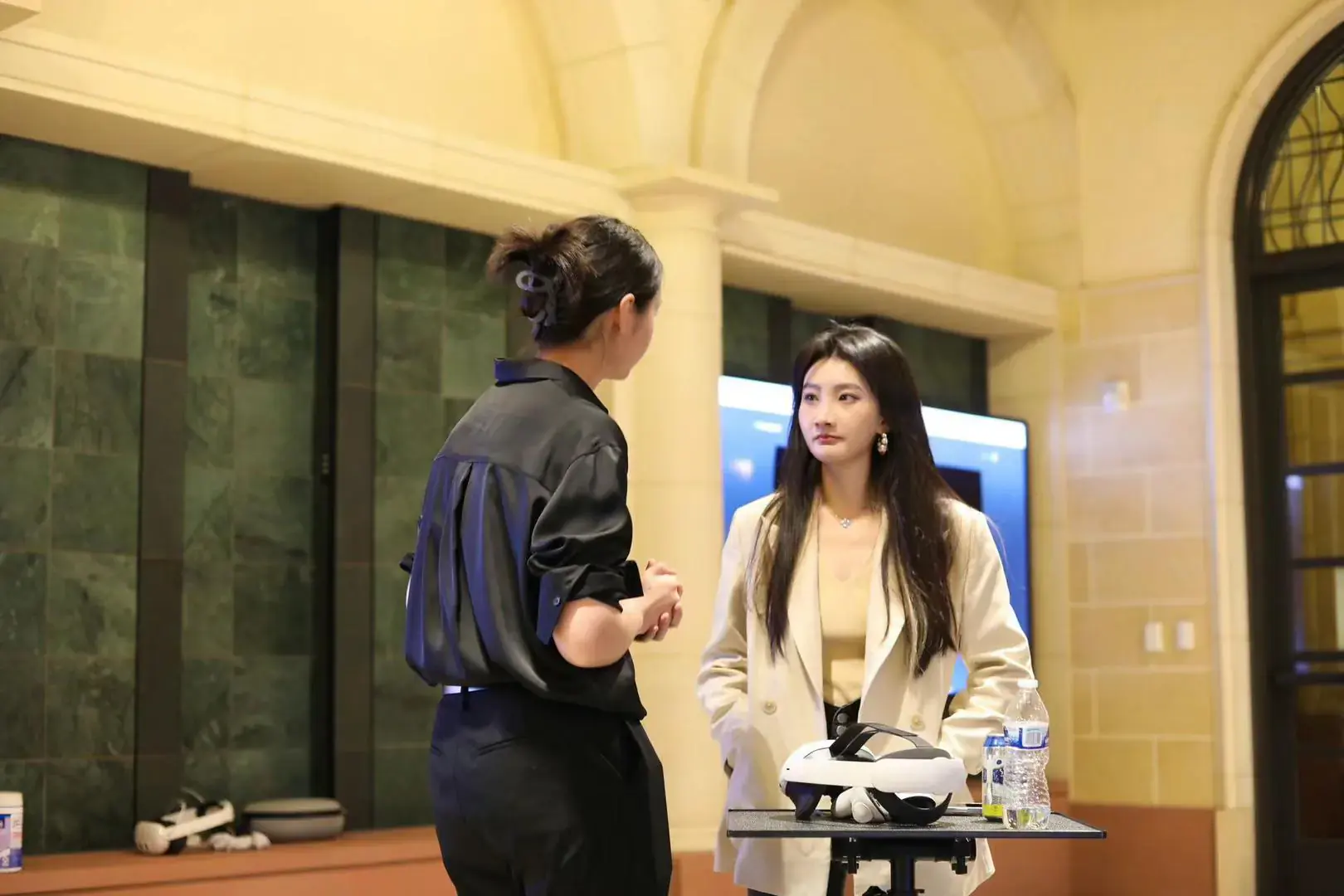
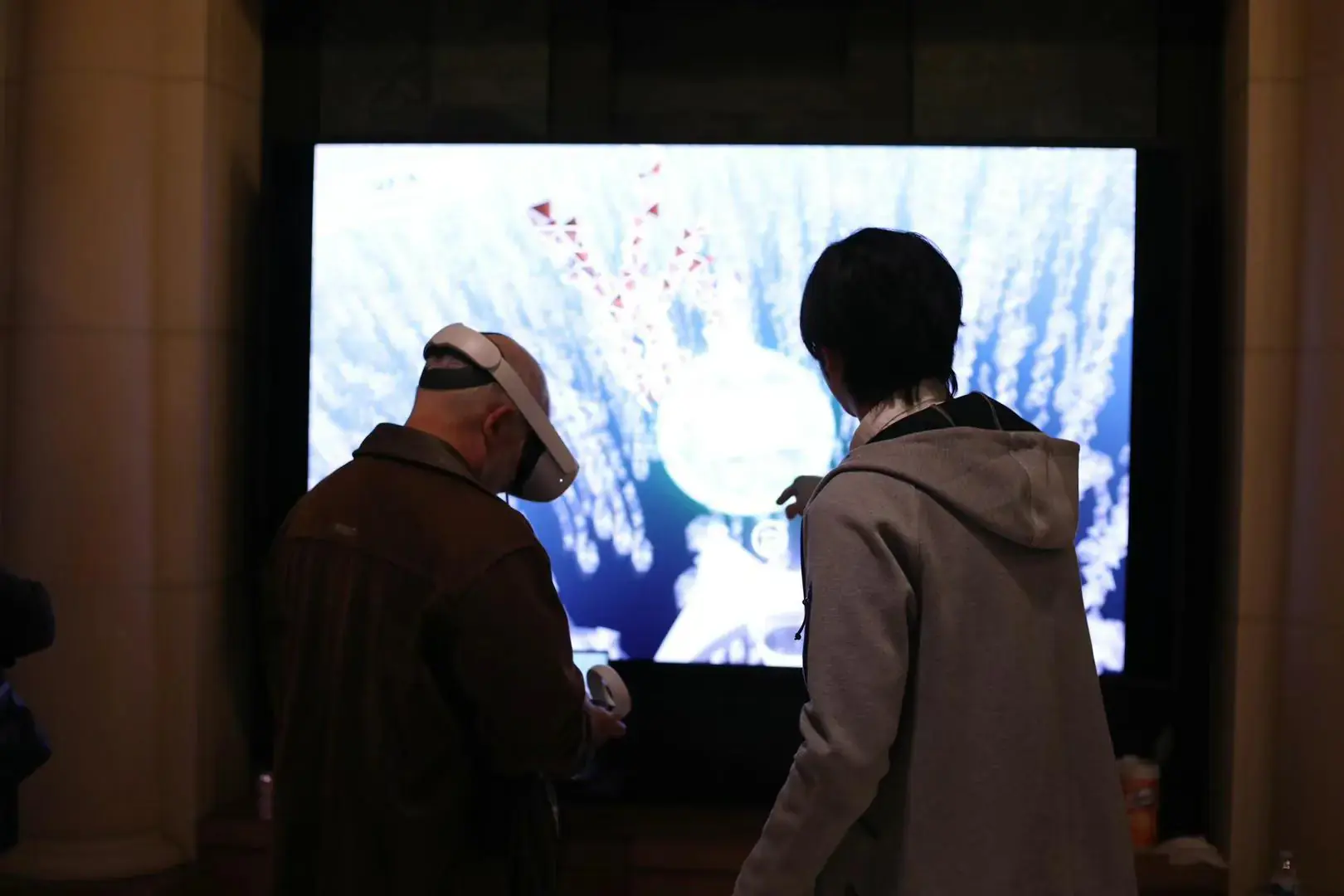
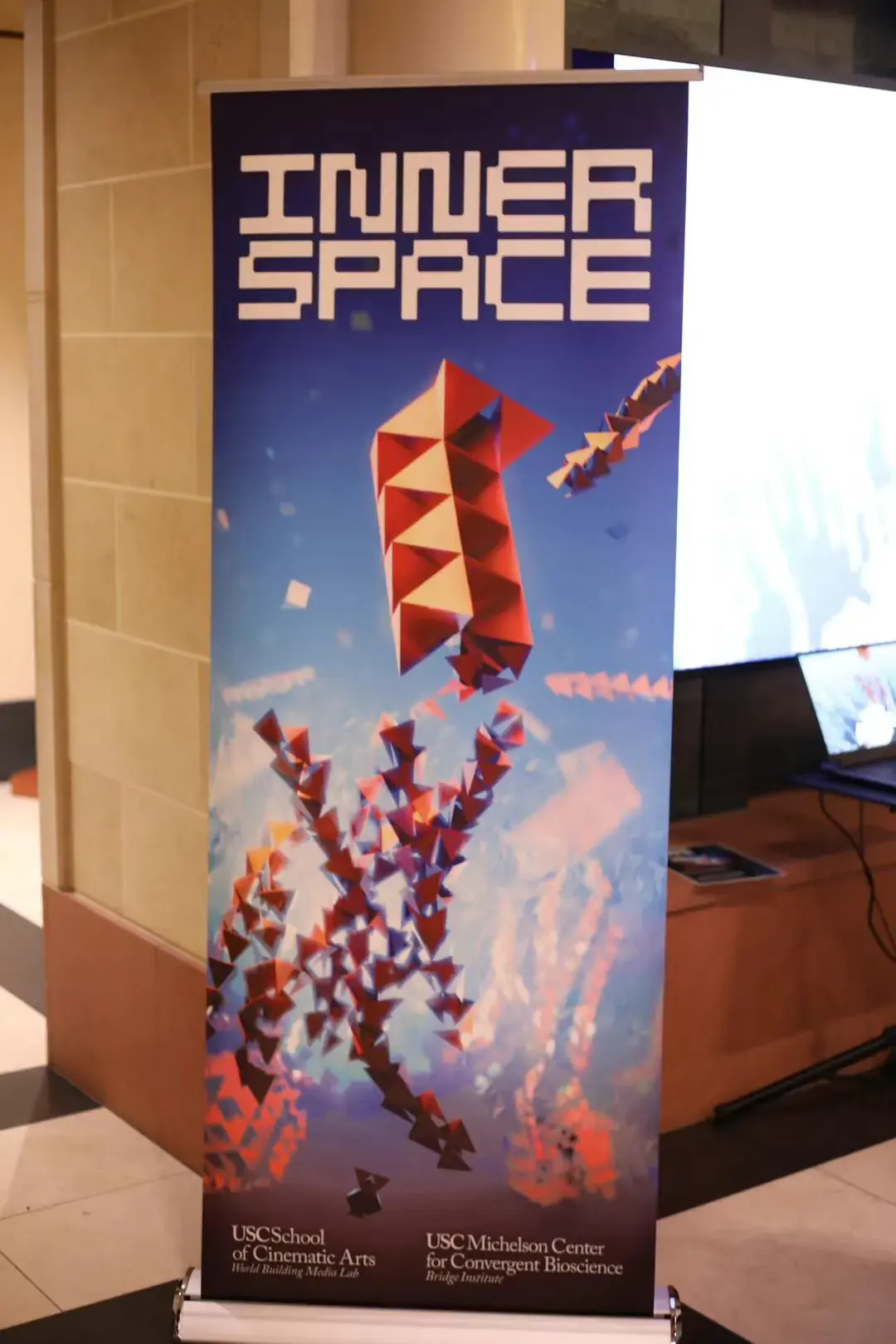
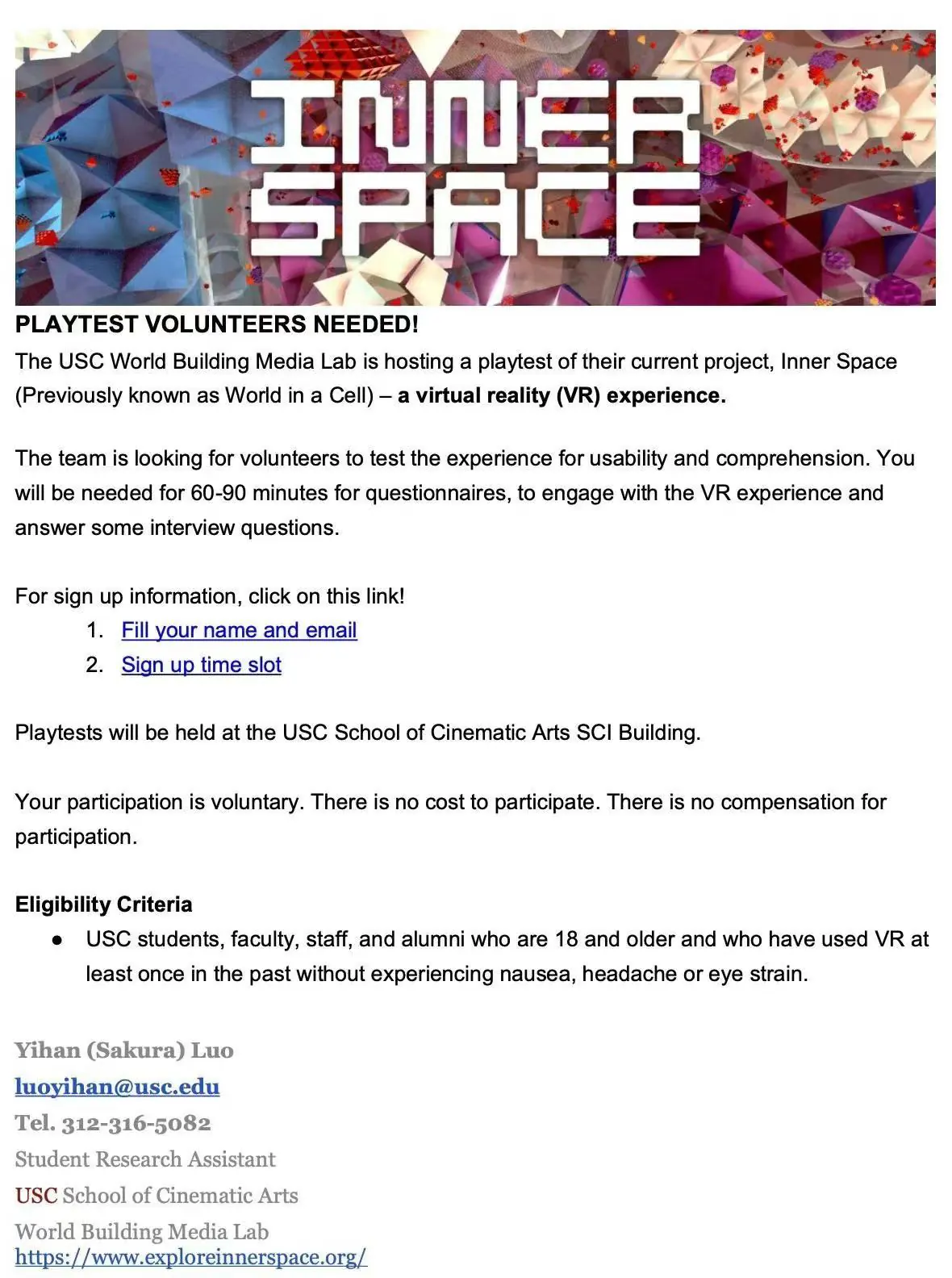
In early 2023, I joined World in a Cell, an interdisciplinary research project at USC World Building Media Lab, as a VR Interaction Designer and Researcher. Through VR, spatial storytelling, and world-building, the project turned complex cell structures and biological information into a virtual world that users could enter, observe, and explore.
I worked on VR interaction research and design, exploring how users could move, observe, select, and access information in 3D space. I also helped translate scientific content into interaction logic for immersive media, balancing scientific accuracy with cognitive load.
This was my first in-depth project at the intersection of science, VR, and world-building. It showed me that interaction design can do more than explain how an interface works; it can translate scientific knowledge into public understanding. That experience shaped my later work in VR, AR, education, and immersive interaction.